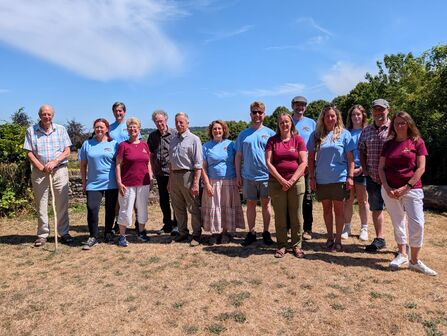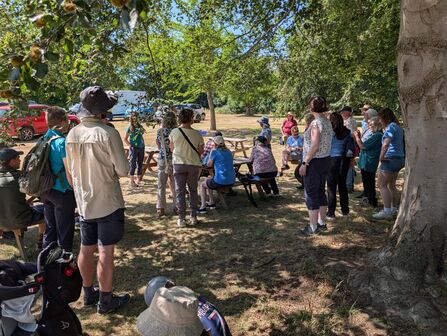
On a warm summers evening in 2001, a group of mammal enthusiasts from Essex and Suffolk gathered in Alresford to discuss how to monitor and protect dormice in the two counties.
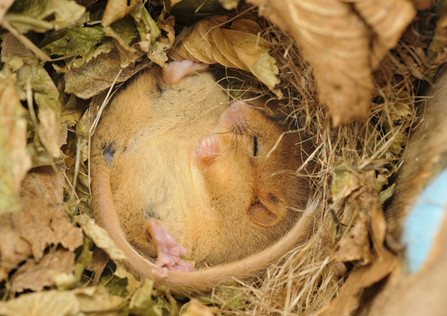
Hazel dormice live in the canopy of trees in woodland and hedges. They are nocturnal, and rarely come to the ground, except during hibernation. They are nimble climbers with sucker-like footpads enabling them to climb vertically up tree trunks.
In 2001, there were dormouse nest tubes at 20 of Essex Wildlife Trust’s nature reserves, but little was known about populations outside of those few reserves. The last confirmed records from Epping Forest were from 1943, and this lack of confirmed sightings was typical across the county, leading naturalists in the 1960s to conclude that dormice were rare in Essex.
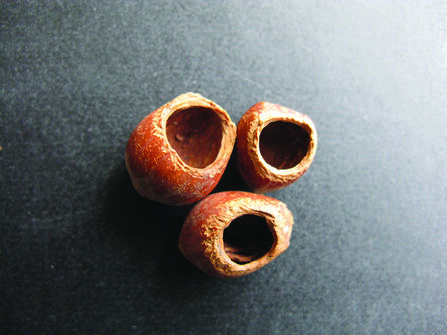
‘The Great Nut Hunt’ of 1993 looked for distinctively chewed hazel nuts, but of the 5,000 nuts gathered from 57 sites, only 18 nuts were found to be eaten by dormice. When feeding on hazel, dormice twist the shell to chisel their way into the nut, leaving a series of diagonal toothmarks on the outside of the hole but a perfectly smooth inside rim, unlike voles and wood mice who leave toothmarks both inside and out.