The Essex BioBlitz returns for 5th year

The Essex BioBlitz returns for 5th year

Essex's largest citizen science campaign reaches its halfway point – and here’s how you can take part.

From daisy-covered lawns to wildflowers peaking through pavement cracks, the Essex BioBlitz has been receiving wildflower records for the last four years. 

From 1 April 2026, the county’s biggest citizen science campaign is back and asking for your records until 30 September. 

In response to COP26, the University of Essex launched the 10-year project back in 2021 to understand how local green spaces have been impacted by climate change and how species are having to adapt. 

In collaboration with Essex Wildlife Trust, the project has exceeded expectations. Last year, the campaign hit an unexpected milestone of 100,000 wildflower observations across the county. 
The official results of the research won’t be shared until the project ends in 2032, but researchers claim that the citizen science project is already providing a clearer picture of distributions for many rare or protected species in Essex. 

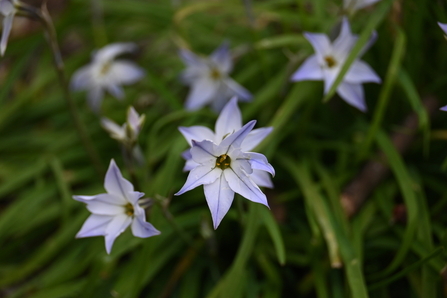
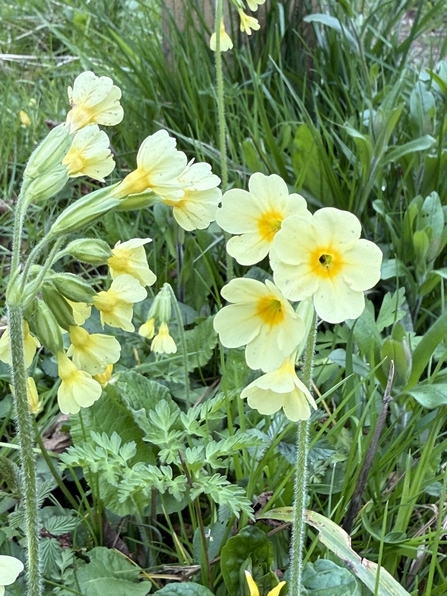
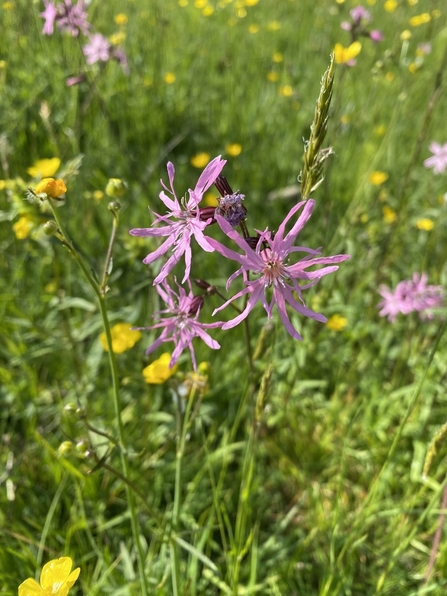
To date, the project has received 114,598 wildflower observations. Of these observations, the most recorded species include greater stitchwort, cow parsley, common vetch and herb Robert. 

The top Essex Wildlife Trust nature reserves where wildflower observations have been made are Langdon Nature Discovery Park, Fingringhoe Wick Nature Discovery Park and Gunners Park and Shoebury Ranges nature reserve.

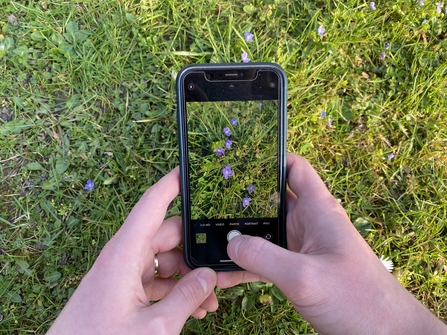
The public can take part by downloading a free app, called iNaturalist, join The Essex BioBlitz 2026 group and take photos of wildflowers in Essex between 1 April – 30 September.  

For a video tutorial guide and more information on taking part, click the button below. 

I want to take part 

Zoe Ringwood, Head of Conservation Evidence for Essex Wildlife Trust, says:

“At Essex Wildlife Trust, we pride ourselves on being a data-led organisation, where evidence is at the heart of our conservation work. This project is all about building a clearer picture of how nature is changing around us, but bringing people closer to nature is a bonus. What I really love about this project is how it encourages people to stop and notice what’s growing around them and learn something new about the wildflowers on their doorstep. We are excited to see what sightings this year will have in store.” 

David Clark, Lecturer in the School of Life Sciences (Institute for Analytics and Data Science), from the University of Essex, says:

"As we reach the half-way point of the Essex BioBlitz, it is truly amazing to reflect on the fact that we have already collected more than 100,000 observations of wildflowers in Essex. This fantastic achievement by the naturalists of Essex is helping us to build a truly unique dataset to investigate the effects of climate change on our county's nature. In addition, the data gathered so far has already changed our maps of biodiversity in the county, far extending the number of sites where rare species such as orchids have been observed. I hope that this year, more people than ever will take part and experience the fantastic nature Essex has to offer."