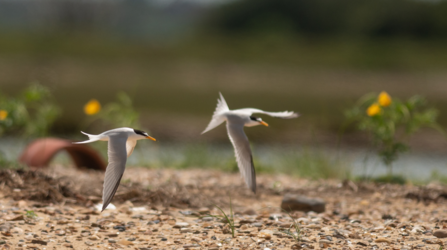
A new initiative will see sediment dredged from Harwich Haven Authority’s routine harbour maintenance dredging reused to restore shingle beach nesting habitat for endangered seabirds, including the amber-listed Little Tern.
The BUDS (Beneficial Use of Dredged Sediment) project will see the RSPB, Harwich Haven Authority, Essex Wildlife Trust and ZSL, alongside local conservationists, to protect important coastal habitats in the Blackwater Estuary while helping to reduce erosion and flood risk for local communities.
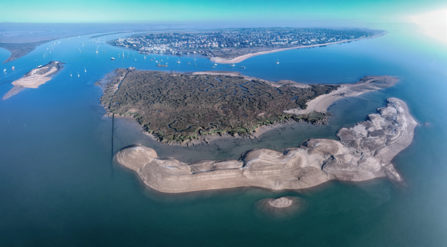
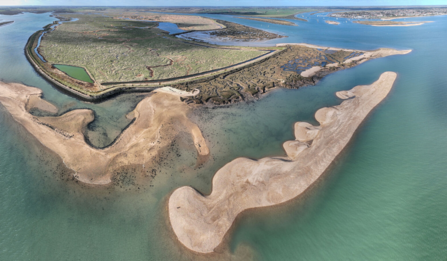
Beginning in October 2026, the £2.5m project (funded by the EA/Defra Natural Flood Management programme and the Transforming the Thames project, led by the Zoological Society of London (ZSL)), will use clean dredged sand gravel, which would otherwise be deposited at sea, to recharge the foreshore at several locations, including Cobmarsh Island and Old Hall Point. The work will help protect saltmarsh and mudflat habitats, reduce pressure on ageing coastal flood defences and create new nesting areas for little terns, ringed plovers and oystercatchers.
Restored shingle banks will provide vital nesting sites for beach nesting birds during spring and summer, while the wider project will benefit overwintering wading birds and wildfowl. The beaches will also absorb wave energy, protecting saltmarsh and reducing the risk of coastal flooding.
The project builds on work delivered by the Mersea Harbour Protection Trust and demonstrates how material from essential harbour maintenance can be put to beneficial use, supporting both nature recovery and coastal resilience.