Record survey season for rare moth

Record survey season for rare moth

Landscape-scale conservation action to save Fisher’s Estuarine Moth.

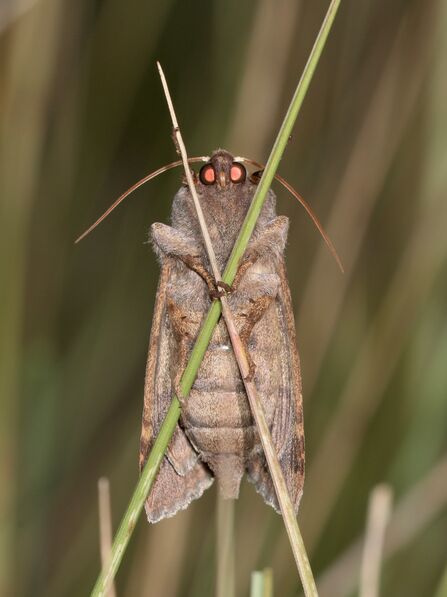
A record 111 Fisher’s Estuarine Moths were recorded at Abbotts Hall this year, the highest number yet over the project’s 21-year span.  

Fisher’s Estuarine Moth is one of the most highly threatened species of insect in the UK. It was previously only found on isolated sites on the north Essex and north Kent coast, low-lying land vulnerable to coastal flooding and increasing storm surges. 

One of its main strongholds was Skipper’s Island nature reserve in the Walton Backwaters. Managed by Essex Wildlife Trust, this site is inaccessible to the public and has suffered from considerable coastal erosion.  

One reason for their vulnerability is the moth’s very specialised habitat requirements. It is completely reliant on the rare plant Hog’s Fennel, as its sole caterpillar foodplant. Hog’s Fennel grows up to 5ft tall, with feathery leaves and yellow flowers that bloom in the summer months. Though the species is found in coastal areas, it is not a salt-water tolerant plant and with rising sea levels it needs to grow further inland to survive and offer food for the rare moth.

Sea Hog's Fennel in bloom

To secure a brighter future for this rare moth, a joint project was launched in 2005 by Essex Wildlife Trust, Natural England, the Environment Agency, Tendring District Council, Butterfly Conservation and Colchester Zoo. The aim was to identify and create new habitat for the rare moth, in areas less likely to be affected by rising sea levels, then re-introduce the moth after habitat was established.

In 2005, Essex Wildlife Trust’s Abbotts Hall became one of the first sites to plant Hog’s Fennel. After five years of planning and monitoring the plants, the moth’s eggs were introduced at Abbotts Hall in 2010. The eggs were provided from a captive breeding programme at Colchester Zoo, which was run as part of the conservation programme for the moth. 

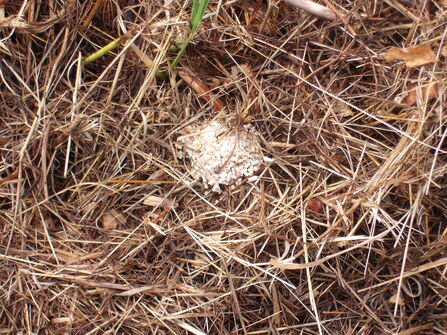
The population is monitored each year by searching the Hog’s Fennel plants for ‘frass volcanoes’ in July and August. These ‘volcanoes’ are the caterpillar’s distinctive feeding signs; they are piles of poo formed at the base of the plants when the caterpillar bores into the rootstock. The adult moths are then monitored through nocturnal surveys when they emerge each September, with numbers helping to demonstrate population trends. 

The first year only saw three moths and numbers stayed in single figures until 2014, when 20 moths were recorded. Numbers have continually risen since, reaching over 100 for the first time in 2025. The record 111 in 2026 does not show the total population, the surveys are used to monitor clear population trends over time. The Trust is confident there is now a self-sustaining population of this moth at Abbotts Hall. 

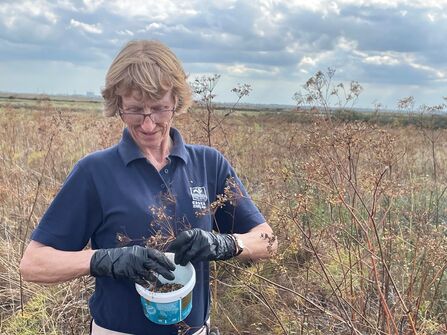
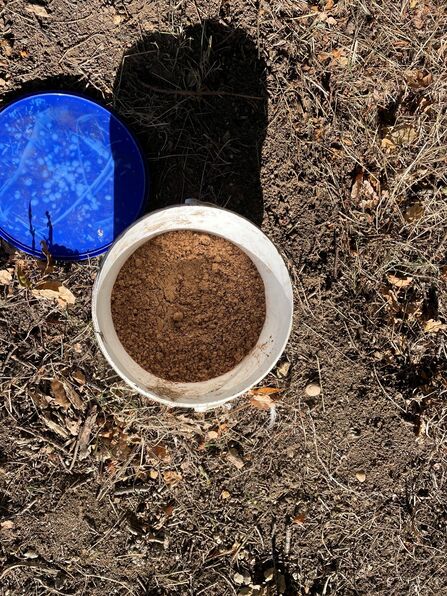
New locations are regularly sourced for planting further Hog’s Fennel plots, including at the Trust’s Fingringhoe Wick Nature Discovery Park and Wrabness nature reserve. Essex Wildlife Trust also works with local farmers and landowners and provides seeds and young plants to grow on new areas of land. Trust volunteers collect seed from the established plants at Abbotts Hall and also grow hundreds of Hog’s Fennel plants each year for the habitat creation programme.

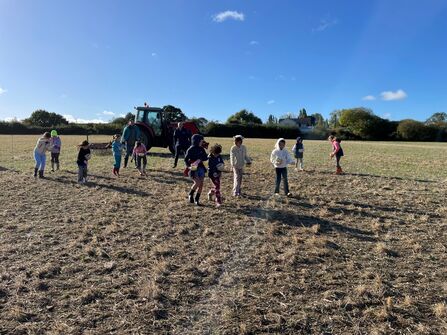
In October, Essex Wildlife Trust worked with local farmers and a group of Brownies in Tollesbury at Hunts Farm to create a new Hog’s Fennel plot. The Brownie group spread the seeds across the plot, helping to grow the next generation of these vital plants and creating important new habitat for the moth.

Dr Zoe Ringwood, Senior Conservation Evidence Manager at Essex Wildlife Trust, says “20 years after creating habitat for Fisher’s Estuarine Moth at Abbotts Hall, it was encouraging to record such high numbers of the moth this year – an important success story and a reflection of how taking evidence-based conservation action can achieve positive results for a threatened Essex species. This area of habitat is just one of many created as part of a wider landscape-scale conservation programme for the moth, involving local farmers, partner organisations, local authorities, and a Brownie group – we can achieve so much for conservation when we work together”. 

Mark Howland of Hunts Farm says, “The team at Hunts Farm are delighted to be able to support another habitat restoration project following previous success both here and at Mell Farm. The opportunity to work with the local Brownies and provide public access to this site is important for ensuring the future of our conservation work. Everyone is welcome to explore along the permissive paths.”

The Trust will continue to survey new and existing plots, to monitor the population of the moth and ensure it has a future on the Essex coast.