Each year, Essex Wildlife Trust monitors up to 50 of its nature reserves at the start of the breeding season and in the middle of it, to determine which species of birds are doing well around Essex, and which we need to watch.
The ‘winner’ of the Essex Wildlife Trust Breeding Bird Survey 2025 was the Black-headed Gull, overtaking the usual top species of Blue Tit and Woodpigeon. A record 586 Gulls were recorded at the start of the breeding season at Blue House Farm nature reserve in North Fambridge, which recently benefited from a large wetland project aimed at improving the habitat and breeding success of birds. Several other species were recorded in high numbers at this nature reserve, also seemingly to have benefited from the wetland project, with Mediterranean Gull and Shoveler numbers up considerably at the site.
The survey is conducted by 34 individuals, including 21 volunteers, who expertly listen to all the bird calls and sightings on the reserve. Last year, a total of 105 species were recorded. Of these, 100 species were known to breed in Essex.
In the four years since this monitoring began, 123 species have been recorded in total. With each year, the Trust builds a greater picture of changes in species abundance. Although it is still too early to determine if trends are accurately demonstrating population numbers, several species of threat are being studied carefully. This data is used to help influence conservation projects, and identify priority species to help in the county.
Greenfinch and Chaffinch, which have widely suffered from a respiratory disease that has led to a change in the national advice on feeding garden birds, have both seen numbers drastically drop, with no signs of recovery as of yet.
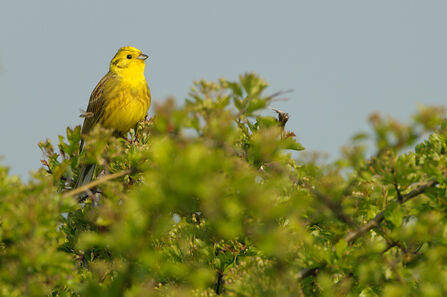
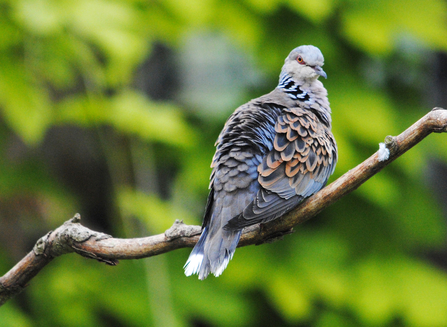
Mistle Thrush, Turtle Dove and Yellowhammer all experienced falling abundance after the first or second year of surveys, and their numbers haven’t recovered yet. The Trust will be monitoring these species closely, which are already red-listed birds, meaning they are the most at-risk of population decline.